

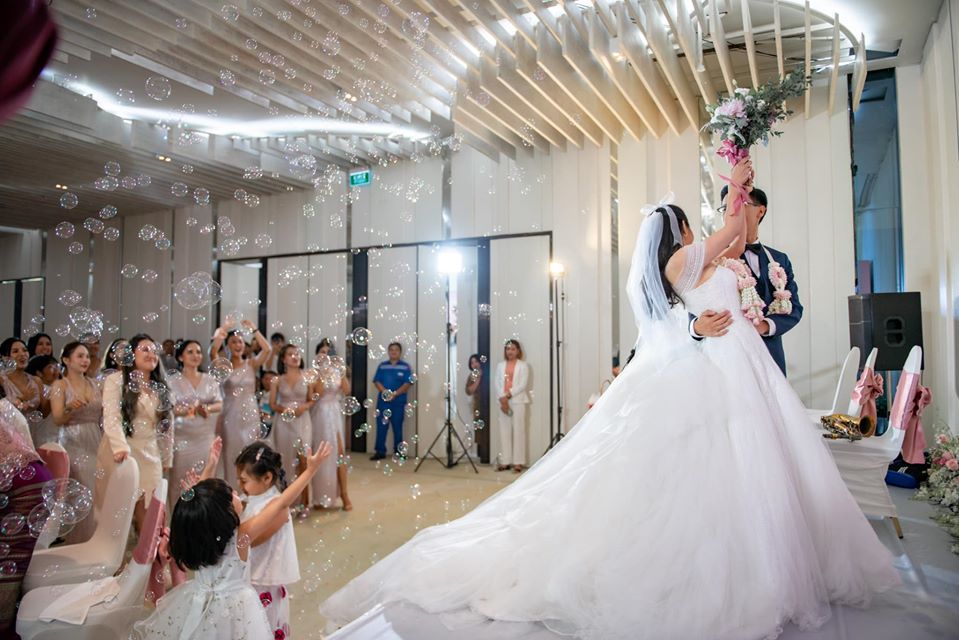
Choosing a venue is one of the biggest decisions in planning a destination wedding because it affects far more than the ceremony itself. Couples comparing Pattaya Wedding Hotels should think about guest accommodation, event spaces, food, photography, weather planning and how easily everyone can move through the day without unnecessary travel.
Keep Guests Close To The Celebration
Destination weddings become much easier when accommodation and the main event are connected. Guests may be arriving from different countries, dealing with unfamiliar transport and staying for several days, so reducing the number of journeys they need to make can improve the whole experience.
A hotel venue can make arrival more straightforward. Guests can check in, get ready and attend the celebration without arranging separate transfers between accommodation, ceremony and reception. This is particularly useful for families, older relatives and anyone unfamiliar with the area.
It also gives the couple more opportunities to spend time with guests outside the formal wedding itself. Breakfast the following morning, drinks the night before or a relaxed poolside afternoon can become part of the celebration naturally rather than requiring another venue to be arranged.
Look At How The Spaces Connect
A wedding often moves through several different settings. There may be a ceremony, drinks reception, photographs, dinner, speeches and evening entertainment. The way those areas connect can make the event feel smooth or fragmented.
Couples should walk through the sequence when viewing a venue. Where will guests go immediately after the ceremony? Is there enough room for photographs without holding up the drinks reception? Can dinner be prepared without guests seeing staff constantly moving equipment through the event?
The spaces do not all need to be large, but they should work together. A beautiful ceremony area can lose some of its appeal if guests then have a long or awkward transition to the reception.
A good venue should also have a realistic alternative for outdoor plans. Rain or strong weather should not turn the day into an improvised scramble.
Food Needs To Work For A Mixed Guest List
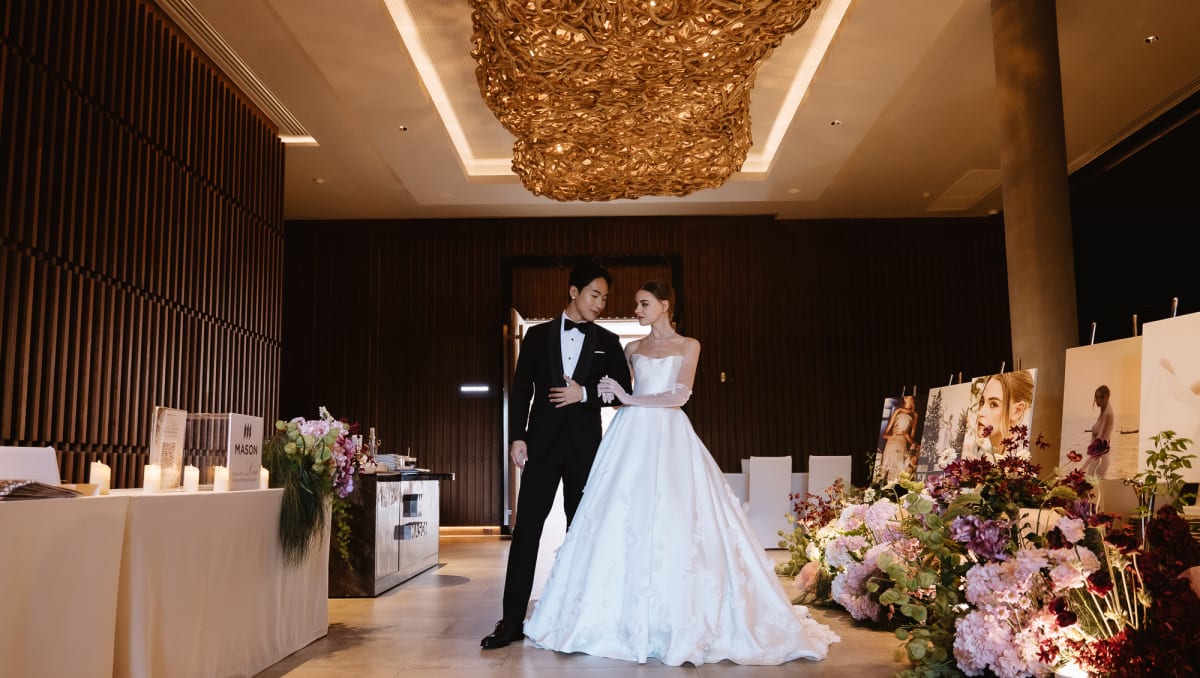
Destination weddings often bring together people with different tastes, dietary requirements and cultural expectations. The menu should feel special while remaining accessible enough that everyone can enjoy it.
Couples should discuss allergies, vegetarian and vegan options, children’s meals and any cultural requirements well in advance. It can also be useful to think about how the food fits the climate and schedule. A very heavy meal may not suit an outdoor celebration in warm weather, while a long gap between ceremony and dinner may require more substantial canapés.
Service style influences the mood too. Formal plated dining creates one kind of evening, while sharing dishes or buffet service can create a more relaxed atmosphere. The right choice depends on the wedding the couple wants rather than one supposedly correct format.
Leave Enough Space In The Schedule
Wedding timelines often become crowded because couples understandably want to make the most of the day. The risk is that every small delay pushes the rest of the schedule backwards.
Building in breathing room helps. Photographs may take longer than expected, speeches may run over and guests may simply want more time to talk. A schedule with some flexibility allows these moments to happen without creating stress.
The best wedding venues support that flow quietly in the background. When accommodation, event spaces, food and timing work together, the couple can focus far more on the people around them and far less on managing logistics.