

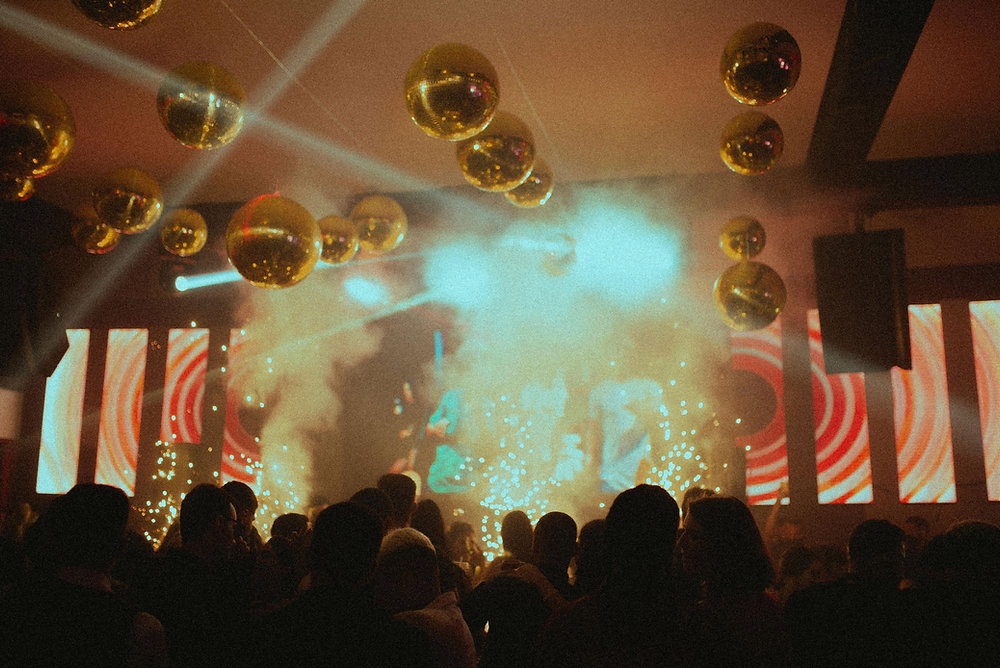
The late-night entertainment economy is undergoing a significant structural transformation. For decades, the traditional nightclub model functioned around a relatively egalitarian framework. While premium bottle service and elevated tables have existed since the late twentieth century, the core offering of a nightclub was a shared, collective experience. Patrons entered the same main room, danced on the same floor, lined up at the same bars, and listened to the same resident disc jockey. The energy of the venue relied entirely on the dense aggregation of a unified crowd.
Today, this classic landscape is fragmenting rapidly. Driven by shifting consumer demographics, advanced digital technology, and a massive desire for personalized hospitality, premium ticketing and ultra-exclusive spaces are redefining after-hours culture. The standard nightclub environment is evolving from a single, open dance floor into a multi-tiered hospitality ecosystem. This shift toward highly curated premium experiences is profoundly altering the social dynamics, architectural designs, and financial foundations of global nightlife.
1. The Financial Migration from Volume to Premium Spend
From an operational and commercial standpoint, the economic engine driving major nightlife establishments has fundamentally shifted. Historically, nightclub operators relied on volume-driven models to secure high profit margins. Success meant packing as many patrons into a venue as local fire codes allowed, generating steady revenue through high volume cover charges and continuous cash transactions at high-traffic bars.
Modern regulatory constraints, rising real estate costs, and evolving consumer habits have made volume-only models increasingly difficult to sustain. Consequently, hospitality groups are aggressively restructuring their venues to prioritize high-spend premium clientele.
Instead of maximizing floor space for standing crowds, modern club designs dedicate substantial square footage to private alcoves, elevated seating platforms, and secluded premium lounges. A single premium table booking or custom corporate package can generate more net revenue for an establishment in a single night than hundreds of general admission entries, causing operators to invest heavily in luxury infrastructure.
2. Architectural Evolution and Spatial Segmentation
The push for exclusive experiences has forced an architectural revolution within venue design. Traditional clubs featured a centralized layout, where everything pointed toward the main dance floor and the performer stage. Contemporary nightlife spaces utilize a deeply segmented, multi-room philosophy.
This architectural shift creates completely separate physical tracks for different classes of guests, minimizing physical interaction between general admission patrons and premium spenders.
-
Dedicated Arrival Corridors: Premium guests completely bypass standard street-level queues, entering the building through unmarked side doors, private subterranean parking garages, or dedicated biometric check-in lanes.
-
Independent Infrastructure: Modern ultra-exclusive zones are built as self-contained sanctuaries within the larger venue. They feature private restrooms, dedicated coat checks, and independent, high-end bars staffed by master mixologists, ensuring guests never have to step into the chaotic main room.
-
Variable Acoustic Mapping: Advanced sound engineering allows different rooms within a single venue to host distinct audio profiles. A premium lounge can pipe in a lower volume, conversational mix of the main stage performance, allowing high-value clients to network comfortably without experiencing sensory exhaustion.
3. Hyper-Personalization and Tech-Driven Concierge Services
The definition of a luxury experience has evolved past the basic concept of purchasing a high-priced bottle of spirits placed on a table with sparklers. Today’s premium consumer demands hyper-personalization, seamless digital logistics, and absolute control over their immediate environment.
Nightclub operators are leveraging advanced enterprise software and dedicated client management applications to curate highly customized evenings for their patrons.
Before a high-value guest even sets foot inside the venue, their dedicated concierge coordinator gathers detailed data regarding their specific personal preferences. The premium suite is fully prepared ahead of time with the guest’s preferred vintage selections, customized culinary pairings, and specific brand preferences.
Furthermore, smart lighting arrays and localized climate controls inside private booths can be adjusted via tablet interfaces, allowing guests to dynamically alter the visual mood and physical temperature of their immediate seating area in real time.
4. The Psychological Allure of Exclusivity and Status Signifiers
The rapid growth of premium nightlife culture is deeply rooted in human behavioral psychology. Access to restricted spaces serves as a powerful social status symbol, fulfilling an inherent desire for recognition, safety, and cultural distinction.
In a highly connected world where daily life is thoroughly documented on social platforms, access to invisible, off-limits experiences has become the ultimate form of modern social currency. Knowing that a heavy curtain, a security guard, or a biometric scanner separates you from the dense, chaotic general crowd provides a powerful psychological sense of comfort and elevated status.
Conversely, for high-profile individuals, celebrities, and corporate executives, these restricted zones are not about displaying status; they are critical requirements for physical safety and mental privacy, allowing them to decompress without being filmed or approached by strangers.
5. Shifting Main Room Dynamics and the Crowd Friction Paradox
While the expansion of premium zones has significantly boosted the financial health of the hospitality sector, it has introduced a complex social paradox that alters the baseline energy of the main room.
The classic magic of a legendary nightclub stems from the raw, unpredictable energy of a dense, democratic crowd. When a venue carves away the best physical vantage points, closest areas to the stage, and elevated platforms to reserve them exclusively for seated premium clients, the organic energy of the dance floor can shift dramatically.
If the premium sections remain empty early in the evening or are occupied by passive observers who refuse to participate in the collective movement of the room, the performer on stage can struggle to build a dynamic feedback loop with the crowd. Great nightlife operators work tirelessly to solve this friction paradox, strategically positioning premium tiers so they feel integrated into the visual excitement of the venue without dampening the vital, raw energy of the main dance floor.
Frequently Asked Questions
What exactly is an ultra-VIP or secret room within a modern mega-club context?
An ultra-VIP room is a completely hidden, restricted lounge situated deep within a large venue that operates entirely independently of the main club. Access is typically restricted to venue owners, personal friends of the performing artist, and high-spending patrons who maintain an active, high-tier membership status with the hospitality group.
How do premium table reservation systems alter nightly club revenue predictability?
Table reservation networks allow clubs to function more like fine-dining establishments, securing substantial deposit minimums and table fees days or weeks before the actual event occurs. This upfront financial commitment provides operators with stable revenue predictability, heavily insulating them from weather variations or sudden drops in general admission walk-up traffic.
Why are some modern premium lounges enforcing strict no-photography policies?
Strict no-photography mandates are implemented to guarantee absolute privacy for high-profile corporate leaders, political figures, and celebrities. By banning smartphones and recording equipment within specific backstage zones, venues establish a secure, unedited sanctuary where clients can socialize freely without the risk of private moments leaking onto public digital platforms.
What specific role does a dedicated table host play compared to a standard cocktail server?
A standard cocktail server focuses primarily on the logistical execution of ordering and delivering beverages to a table. A dedicated table host functions as a high-end hospitality manager, remaining with the group all evening to manage security boundaries, coordinate custom requests with the kitchen, navigate venue transit, and ensure the party’s overall experience remains flawless.
How can a nightclub offer premium amenities without completely alienating general admission guests?
Venues achieve this balance by utilizing clever architectural levels and vertical sightlines. By elevating premium sections along the perimeter walls or balconies, the club provides high-value clients with comfort and privacy, while preserving the entire main ground floor for general admission patrons, maintaining the grand scale and raw energy of a unified crowd.
What is the environmental and legal protocol regarding the use of indoor pyrotechnics for bottle delivery presentations?
The use of electronic sparklers and indoor pyrotechnics requires strict adherence to regional fire codes, local permits, and specialized ventilation systems. Many modern urban establishments are completely phasing out traditional chemical sparklers in favor of sophisticated, non-hazardous LED display cases and customized projection-mapping arrays to ensure patron safety and protect indoor air quality.