

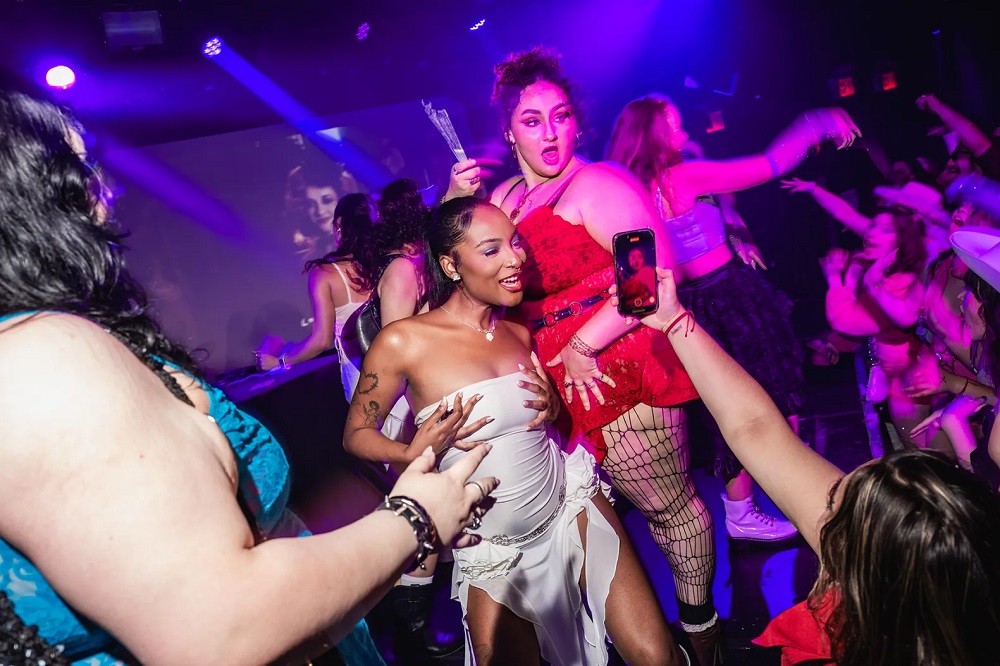
The global nightlife industry is experiencing a massive structural evolution. For decades, the standard formula for a successful commercial nightclub was relatively simple and uniform. Venue owners would open a large industrial room, install a loud sound system, set up complex neon lighting rigs, hire a recognizable disc jockey, and serve standard mixed drinks. While this traditional framework sustained the hospitality sector for generations, contemporary consumers are increasingly moving away from generic entertainment spaces.
Today, a new wave of experiential hospitality is redefining after-hours culture. Themed nightclubs are surging in popularity across major metropolitan areas, drawing massive crowds by offering deeply immersive, narrative-driven environments. From hidden prohibition-era speakeasies accessible only through secret bookcases to hyper-futuristic cyberpunk lounges and retro-eighties arcades, these specialized venues are replacing the classic dance club format. Analyzing the psychological, cultural, and economic factors driving this shift reveals why immersive themes represent the undeniable future of the late-night entertainment economy.
1. Shifting Consumer Values from Consumption to Experience
The primary catalyst behind the rise of themed nightclubs is a fundamental shift in how modern consumers spend their discretionary income. Behavioral studies continually show that younger demographics value unique, real-world experiences significantly more than material possessions or simple luxury labels.
A traditional nightclub format centers almost exclusively on liquid consumption and passive audio listening. Once inside the dark room, the environment feels identical to countless other spaces worldwide.
Themed venues invert this dynamic entirely by transforming a night out into an active, exploratory journey. When a patron steps into a club designed to replicate an abandoned tropical jungle ruins or a classic Hollywood film set, their curiosity is instantly triggered. The physical space tells a story, turning an evening of casual socializing into a memorable adventure. Consumers feel they are collecting a unique life memory rather than simply buying a standard beverage at a bar counter.
2. Escapism and the Desire for Radical Novelty
Modern life is heavily characterized by intense screen time, workplace stressors, and highly predictable urban routines. When individuals go out on a weekend, they are actively looking for a powerful form of psychological escapism to disconnect entirely from their daily worries.
Standard nightclubs, with their chaotic crowds and high sensory overload, can occasionally feel exhausting rather than rejuvenating. Themed nightclubs offer a more creative, engaging form of relief by transporting guests to a completely different time, place, or fictional universe.
-
Retro Nostalgia: Entering a space styled meticulously after a nineteen-seventies disco lounge allows patrons to step back into a romanticized past, trading modern anxieties for vintage aesthetics and familiar retro music.
-
Sci-Fi Futurism: Lounges that lean into industrial neon cyberpunk motifs allow guests to feel like they are stepping directly into a speculative cinematic world, breaking the monotony of standard corporate architecture.
This radical novelty provides a distinct mental buffer, making the weekend feel truly separate from the standard working week.
3. The Power of Organic Visual Marketing and Content Creation
From a strictly operational and commercial perspective, themed nightclubs possess an enormous marketing advantage over traditional venues. They are built from the ground up to encourage organic, consumer-driven visual promotion on digital networks.
In a generic nightclub, the dark lighting and crowded spaces make capturing high-quality media incredibly difficult. Themed venues, however, are deliberately engineered with distinct visual elements that act as natural focal points.
Every corner of the establishment, including the hidden entryways, the textured wallpaper, the customized restroom mirrors, and the elaborate glassware, is designed to be visually compelling. When patrons take photos and videos inside these unique spaces and share them online, they act as unpaid brand ambassadors. This genuine, peer-to-peer visual endorsement holds significantly more marketing sway within local entertainment markets than any expensive corporate advertising campaign or promoted guest list flyer.
4. Elevating Mixology and Culinary Arts into Narrative Tools
In a highly competitive hospitality landscape, clubs can no longer rely on serving basic, uninspired beverage menus. Themed nightclubs lead the market because they integrate their food and drink programs directly into the overarching storyline of the venue.
A well-executed themed club completely eliminates generic drink presentation. If the venue follows a Victorian gothic mansion aesthetic, the cocktails might be served in smoking crystal decanters using regional botanical ingredients, homemade syrups, and custom ice stamps that mirror historical crests.
If the club features a high-seas maritime design, the staff might serve shared punch bowls inside custom ceramic vessels alongside themed pairing snacks. This attention to detail transforms purchasing a beverage into an interactive performance art piece. The menu functions as a vital narrative extension of the space, allowing guests to engage their sense of taste and smell alongside their vision and hearing.
5. Breaking Down Social Barriers and Fostering True Community
Traditional nightclubs can occasionally feel socially intimidating. The layout often forces guests into tight, isolated groups, and the extreme volume of standard sound systems makes initiating natural, relaxed conversations with new people highly challenging. This friction frequently leaves single attendees or small groups feeling disconnected from the room.
Themed environments naturally break down these defensive social barriers by providing built-in conversational icebreakers. When everyone in the room is navigating an unusual space, such as a club built around vintage retro arcade cabinets or a secret subterranean cavern, a baseline of mutual interest is instantly established.
Guests have an obvious, non-threatening reason to speak to the people sitting next to them. This shared environment encourages a collective playful attitude, turning a room full of isolated strangers into an open, interactive community that values meeting new people.
6. Economic Resilience and Premium Pricing Power
The nightlife industry is notoriously volatile, with traditional clubs frequently experiencing short lifespans as musical trends and local clubbing fashions shift. Themed nightclubs demonstrate significantly stronger long-term economic resilience because they do not rely exclusively on the popularity of a single music genre or an individual celebrity disc jockey.
Because these spaces deliver high entertainment value through their structural architecture and hospitality performance, they possess substantial premium pricing power. Consumers are consistently willing to pay higher cover charges, premium ticket entry fees, and elevated menu prices because they recognize they are funding a multi-sensory production rather than just paying for floor space. This diversified commercial appeal insulates themed operators from sudden shifts in the entertainment market, securing their financial longevity and allowing them to build enduring legacy brands within major global cities.
Frequently Asked Questions
How do themed nightclubs maintain their popularity once the initial novelty wears off for locals?
To prevent a theme from becoming predictable, successful operators implement continuous micro-updates within the venue. This includes rotating their specialized cocktail menus seasonally, hosting distinct live performance actors, changing localized interior art installations, and shifting the specific musical sub-genres featured on weeknights to keep the environment fresh for returning residents.
Are themed clubs more expensive to design and construct than traditional nightlife spaces?
Yes, themed clubs require a significantly higher upfront capital investment during the build-out phase. Constructing custom hidden doors, sourcing authentic period-accurate furniture, building specialized lighting setups, and engineering custom display props requires hiring specialized interior designers, scenic artists, and prop makers, which drives up initial development costs compared to a standard industrial warehouse club.
How do speakeasy-themed venues maintain their hidden aura while still attracting enough customers?
Speakeasies manage this balance by utilizing a marketing strategy centered around manufactured scarcity and word-of-mouth exclusivity. While they do not display flashing external signage, they leverage private reservation links, hidden digital passcodes, and unbranded entrances behind operational phone booths or fast-food counters, relying on local influencers and organic online reviews to drive consistent foot traffic.
Do themed nightclubs enforce specific dress codes to match the environment of the room?
While some ultra-exclusive themed venues require patrons to wear attire that directly coordinates with the period style of the space, most modern establishments adopt a hybrid approach. They allow standard contemporary casual or upscale clothing but encourage thematic expression, ensuring the dress code remains accessible to general tourists while preserving the room’s distinct aesthetic.
What specific role does acoustic engineering play in a themed club compared to a standard dance venue?
Acoustic engineering in a themed club must balance ambient energy with conversational comfort. While traditional dance venues prioritize maximum volume across a single open floor, themed clubs often feature multiple distinct rooms or alcoves. Sound dampening materials and targeted speaker arrays are deployed to ensure guests can dance near the main stage while still speaking comfortably at the thematic bar areas.
How do operators ensure that a highly specific theme does not alienate general tourists?
Operators prevent alienation by ensuring that the core hospitality components, including customer service quality, speed of beverage execution, physical cleanliness, and overall safety, remain universally excellent. Even if a casual tourist is not a dedicated fan of a specific theme, like retro gaming or industrial horror, they will still appreciate the space if the staff is welcoming, the drinks taste exceptional, and the atmosphere feels vibrant.