

Planning a memorable gathering involves a careful balance of venue selection, catering logic, and atmospheric design. Whether organizing a corporate gala, an milestone anniversary celebration, an elegant wedding reception, or a high-profile charity fundraiser, host committees face the identical underlying challenge: breaking through social boundaries and keeping a diverse group of individuals genuinely engaged. Standard musical choices, while reliable, often fade into background noise, while generic speaking presentations can struggle to hold collective attention over a multi-hour itinerary.
To transform a standard gathering into an extraordinary, talked-about occasion, event designers look for entertainment that requires active cognitive and emotional engagement. Magic performances stand out as a highly effective, versatile medium for these special occasions. Rooted in psychological principles, theatrical storytelling, and real-time interaction, modern illusion arts possess a unique ability to bridge social divides, spark immediate conversation, and leave an indelible impression on audiences.
1. Breaking Ice and Dissolving Social Boundaries Instantly
The initial phase of any private or corporate function is often characterized by a degree of social stiffness. Guests arrive, navigate the room, and frequently stick closely to familiar colleagues or partners, leaving introverted individuals or outside clients feeling somewhat isolated during cocktail hours.
Close-up magic, also known as strolling or sleek-of-hand illusion, serves as an intentional social catalyst to eliminate this early friction.
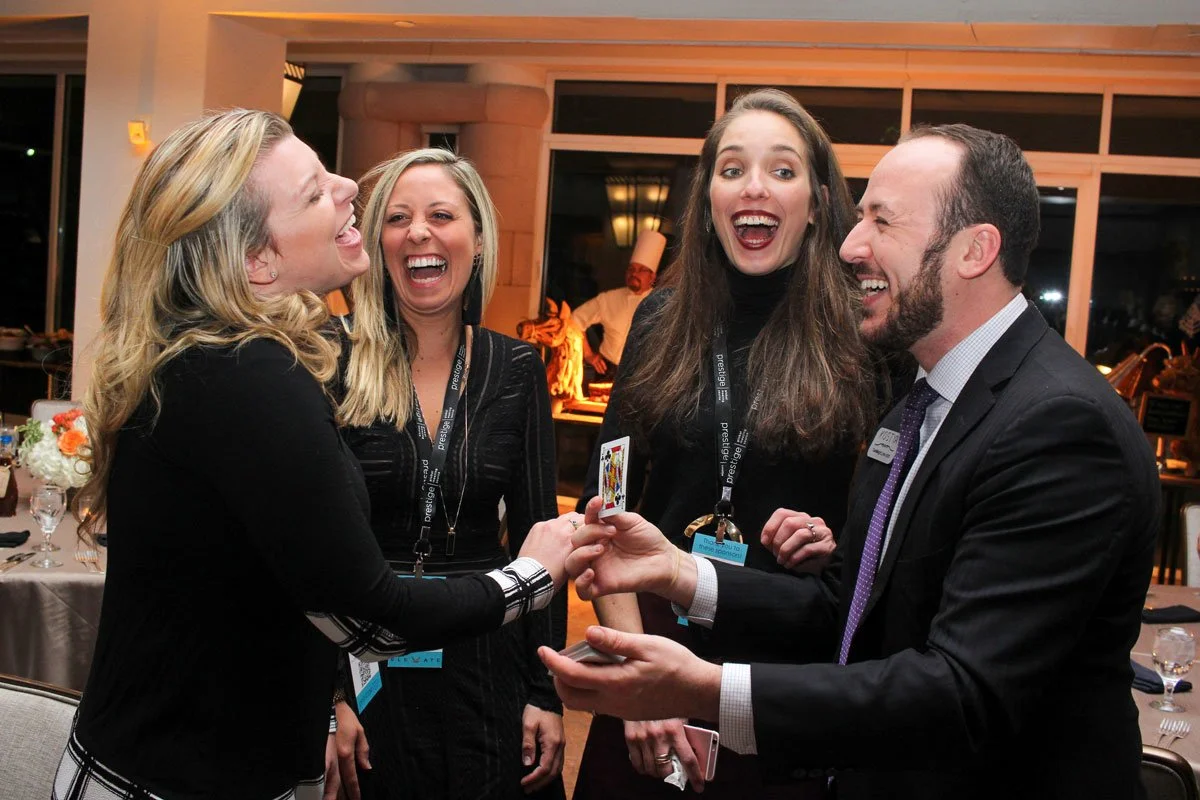
Instead of demanding that guests sit quietly in rows, a skilled strolling magician moves dynamically through the standing crowd, integrating directly into small conversational circles. By performing highly visual, intimate miracles using borrowed items like a spectator’s wrist watch, a signed playing card, or a smartphone, the performer shifts the collective energy of the space.
-
Shared Vulnerability: Witnessing the laws of physics appear to bend inches from your eyes strips away corporate posturing and formal social walls.
-
Prompting Conversation: The collective gasp or shared laughter generated by a micro-illusion establishes an immediate conversational bridge between total strangers, giving them a shared topic to discuss for the remainder of the evening.
2. Adapting Seamlessly to Complex Event Logistics and Spaces
One of the most significant administrative challenges when hiring live entertainment is managing the technical and physical constraints of a venue. Elaborate musical ensembles require massive sound checks, designated stage dimensions, extensive electrical routing, and specific lighting setups that can strain an event budget or alter room layouts.
In contrast, magic is an incredibly agile, logistically elegant entertainment option. A professional illusionist can adapt their delivery format to match the exact structural reality of your itinerary.
If your dinner involves multiple courses and a tight kitchen timeline, table-side magic can be deployed to entertain guests during the inevitable waiting intervals between plates, turning potential dead time into a highlight of the meal. If your venue features a grand stage but lacks a massive backstage loading dock, a mentalism or stand-up stage show can easily captivate a room of five hundred guests using nothing more than a wireless microphone and minimal props, offering high impact with a tiny technical footprint.
3. Catering to Multigenerational and Culturally Diverse Audiences
Special events, particularly corporate holiday functions and large family milestones, routinely aggregate individuals from vast age demographics and cultural backgrounds. Finding a singular entertainment style that appeals simultaneously to a senior executive, a young tech worker, and a teenager is notoriously difficult.
Magic possesses a universal, cross-cultural appeal that bypasses traditional demographic barriers. The core underlying emotion of magic is wonder, which is an inherent, baseline human response completely independent of age, language, or background.
While a comedy routine might rely on localized pop culture references or generational slang that isolates portions of the room, a visual illusion speaks directly to human perception. A coin vanishing in thin air or a mind-reading demonstration is equally jaw-dropping to a corporate board member and a young child. This shared cognitive experience binds a diverse guest list into a unified audience, ensuring that every corner of the room feels fully included in the festivities.
4. Actively Involving the Audience as Co-Creators of the Show
Many forms of event entertainment are fundamentally passive experiences. Guests sit in the dark and look at a screen, or stand at a distance listening to a band perform their standard setlist. While pleasant, this unidirectional flow of energy rarely builds a deep sense of personal investment.
Great magic performances invert this relationship entirely by turning the event attendees into the literal co-creators of the performance.
A modern illusionist does not simply stand on a stage showing off personal skills; they pull spectators directly into the narrative spot. A guest is asked to think of an old childhood memory, select a random word from a book, or hold a locked box that has been suspended above the stage all evening.
This level of active participation personalizes the performance completely. The audience is no longer just watching a show; they are actively experiencing their friends, family members, or corporate leaders reacting to the impossible in real time, making the entire performance feel bespoke, unrepeatable, and tailored exclusively to that specific night.
5. Elevating Corporate Messaging and Strategic Theme Integration
For corporate event coordinators, a main goal of a gathering is often to reinforce a specific brand message, celebrate a new product launch, or highlight annual business objectives to a network of stakeholders or employees.
Professional corporate magicians specialize in custom message integration, weaving corporate themes seamlessly into the scripting of their illusions.
An illusionist can design a routine where a new corporate logo or physical product appears magically out of an empty box during a keynote address. Alternatively, a mentalist can structure a demonstration around themes of strategic foresight, market connectivity, or overcoming perceived structural limitations. This creative integration ensures that the entertainment does not function as a separate, detached block of time, but rather serves as a vivid, memorable exclamation point that reinforces the core strategic goals of the hosting organization.
Frequently Asked Questions
What is the ideal ratio of performers to guests for a strolling magic cocktail hour?
To ensure that every guest has an opportunity to experience the entertainment up close, the standard professional recommendation is one strolling magician for every seventy-five to one hundred attendees per hour. This spatial distribution allows the performer to spend meaningful time with distinct small groups without rushing through the room.
How far in advance should an event coordinator secure a professional illusionist?
Top-tier corporate and private magicians are typically booked out three to six months in advance, particularly during peak event seasons like autumn corporate gala cycles and December holiday periods. Securing your entertainment asset early ensures adequate time for custom script integration and logistical coordination with the venue.
Can a magic performance operate effectively in a loud environment with heavy background music?
While stage mentalism and spoken comedy magic require clear acoustics and focused audio control, visual close-up magic can thrive perfectly in loud environments like bustling nightclub receptions or crowded trade show floors. Professional strolling magicians rely heavily on visual storytelling and physical misdirection that transcends ambient room noise.
What specific details should a host provide a performer during the initial consultation?
Hosts should clearly outline the total guest count, the dominant age demographic, the exact timeline of the evening, the physical layout of the room, and the overarching goal of the gathering. Sharing these specific operational parameters allows the performer to select the exact tricks, costuming, and tone that will align with the event.
Is it appropriate to feature a magic performance during a formal corporate award dinner?
Yes, magic is an excellent addition to an award dinner when positioned strategically. A common approach is hosting a thirty-minute after-dinner mentalism show directly before or after the main awards presentation, re-energizing the audience’s attention span and creating a celebratory, upbeat atmosphere for the evening’s winners.
What is the legal and ethical protocol regarding a magician using audience members on stage?
Professional performers operate with a strict code of psychological safety and professional respect. They are trained to read body language instantly to select enthusiastic, willing volunteers, ensuring that participants are elevated as heroes of the demonstration rather than being subjected to embarrassment or cheap practical jokes.