

We live in an era of unprecedented digital convenience. With a few taps on a smartphone or a click of a remote control, individuals can instantly access vast libraries of high-definition movies, crystal-clear musical albums, live-streamed theatrical events, and immersive video game environments. Home entertainment systems feature advanced audio visual technology that can replicate a cinema experience right in a suburban living room.
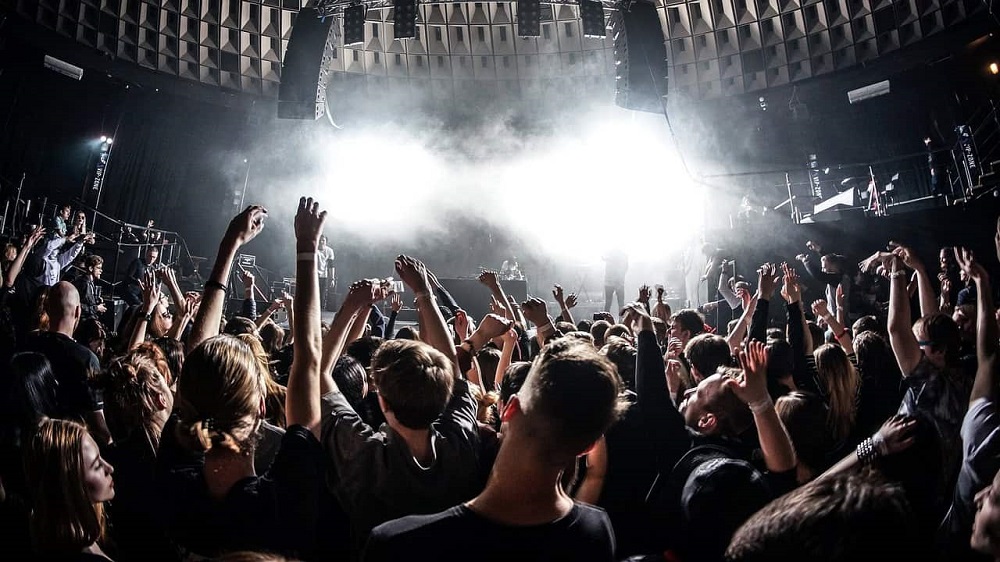
Despite this absolute abundance of cheap, frictionless digital content, millions of people worldwide continue to step outside their homes, stand in long lines, navigate crowded transit systems, and pay premium ticket prices to witness live performances. Whether it is a sold-out stadium rock concert, an intimate local comedy showcase, a high-stakes professional sporting event, or a sweeping Broadway musical, the hunger for in-person experiences remains stronger than ever. This persistent demand proves that live entertainment possesses a unique psychological, social, and sensory appeal that digital screens simply cannot duplicate.
1. The Power of Shared Communal Energy
The most significant difference between consuming media at home and attending a live event is the presence of a collective audience. Human beings are inherently social creatures wired to seek connection and shared emotional experiences.
When you sit alone in a room watching a recorded performance, your emotional response occurs in a vacuum. In contrast, stepping into a packed venue embeds you within a living, breathing community. Psychological studies continuously reveal a phenomenon known as emotional contagion, where the feelings of an individual can instantly ripple through a dense crowd.
-
Synchronized Responses: When thousands of people laugh simultaneously at a comedian’s punchline, gasp together during a dramatic theatrical plot twist, or roar in unison when an athlete scores a game-winning point, a powerful feedback loop is established.
-
Validation of Emotion: This shared response validates your personal experience, making the joy feel more intense and the sorrow feel deeper. The collective energy in the room amplifies the emotional highs and lows of the performance, turning a passive viewing habit into a profound social ritual.
2. The Thrill of Real-Time Unpredictability and Vulnerability
Recorded media offers absolute perfection. Film directors edit together the best takes, recording engineers patch over vocal flaws in post-production, and digital visual effects fix physical imperfections. While this polished aesthetic is visually impressive, it removes an essential element of human excitement: the risk of failure.
Live entertainment thrives entirely on structural vulnerability. When an artist steps onto a physical stage, there is no safety net, no edit button, and no opportunity for a second take.
This inherent danger creates an electric undercurrent of anticipation throughout the venue. The audience knows that anything can happen. A musician might improvise a dazzling guitar solo that has never been played before, an actor might deliver a line with a spontaneous, heartbreaking nuance, or a dancer might execute a risky physical maneuver flawlessly.
Conversely, things can go wrong. Instruments can lose tune, lines can be forgotten, and equipment can malfunction. Watching performers navigate these unexpected human moments in real time builds an intense bond between the stage and the seats, transforming the evening into a high-stakes adventure where everyone is fully invested in a successful outcome.
3. Immersive Multi-Sensory Engagement and Physical Presence
Even the most advanced virtual reality headsets and surround-sound home systems can only stimulate your vision and hearing. They fail to capture the rich, multi-sensory environment that defines a physical venue.
Attending a live performance is a visceral, full-body experience. At a concert, you do not just hear the music; you physically feel the deep bass frequencies vibrating through your chest and rattling the floorboards. You experience the shifting ambient temperature of the room, the blinding flash of synchronized pyrotechnics, and the specific aromas of stage smoke, old wooden theater seats, or concession snacks.
Furthermore, a live venue demands your absolute, focused attention. At home, you are constantly battling digital distractions, including smartphone notifications, household chores, and the urge to browse alternative content. Inside a darkened theater or a roaring arena, the outside world disappears. This forced digital detox allows you to achieve a state of psychological flow, fully immersing yourself in the present moment in a way that modern domestic life rarely permits.
4. The Lasting Value of Experiential Memory vs. Material Possessions
Behavioral economics shows that spending money on physical objects provides only a brief surge of happiness that fades quickly as the item becomes a normal part of your daily environment. True, long-term life satisfaction comes from investing in unique experiences.
Live entertainment provides consumers with memories that act as permanent emotional anchors throughout their lives. Long after a specific ticket price is forgotten, the memory of standing alongside your closest friends in the pouring rain while your favorite band played their closing song remains incredibly vivid.
These events become key milestones in an individual’s personal history. People frequently organize their life timelines around major cultural experiences, remembering exactly how old they were or who they were dating when they attended a specific historic tour or saw a legendary play. These memories form a core part of our personal identities, serving as valuable mental currency that we revisit and share through stories for decades.
5. The Dynamic Artist-Audience Communication Loop
A recorded movie or streamed track is a one-way communication channel. The content remains exactly the same regardless of who is watching it or how they feel about it. Live entertainment, however, operates as a dynamic, two-way conversation between the performer and the crowd.
Professional performers do not simply execute a robotic script; they constantly read the specific energy, posture, and vocal volume of the room, adjusting their performance style dynamically in response.
-
Comedic Timing: A stand-up comedian will alter their delivery speed, elongation of pauses, and crowd-work interactions based on how a specific audience responds to their opening jokes.
-
Musical Extension: A live band might extend an energetic chorus or transition into an unexpected jam session if they feel the crowd is highly responsive and feeding them energy.
-
Theatrical Intensity: Stage actors feed off the quiet, breathless focus of a captivated audience, using that silence to deepen the emotional weight of a dramatic monologue.
This communication loop ensures that no two live performances are ever completely identical, making every single ticket holder a vital co-creator of a unique historical moment that will never happen again in exactly the same way.
Frequently Asked Questions
How does the acoustic design of a live venue alter the way a consumer processes sound compared to headphones?
Headphones deliver sound directly into the ear canal, creating an artificial, localized audio image inside your head. Live venues are engineered to reflect sound off physical walls, ceilings, and floors, creating natural reverberation and spatial depth. This organic acoustic environment allows sound waves to interact with your physical body, creating a richer, more realistic auditory experience.
What specific role does nostalgia play in driving ticket sales for legacy musical acts?
Nostalgia serves as a powerful emotional time machine. When audiences hear classic songs performed live by legacy artists, it triggers an immediate release of dopamine and revives deeply buried memories from their youth. This intense emotional connection makes fans willing to pay high premium ticket prices to recapture those feelings of comfort, vitality, and personal history.
Why do improvisational theater performances foster a unique level of audience engagement?
Improvisational theater maximizes audience engagement by removing the script entirely and relying on direct suggestions from the crowd to build the show. This structure completely breaks down the barrier between the stage and the audience, making the viewers direct contributors to the narrative and heightening the excitement as everyone discovers the plot simultaneously.
How does the concept of temporary community impact introverted individuals at major events?
Even for introverted individuals who generally avoid casual small talk, a major live event provides a safe structure for social connection. Because everyone in the space shares an identical passion for the specific performer or team, a baseline of mutual trust is instantly established, allowing introverts to feel a deep sense of belonging without the pressure of forced individual socialization.
What is the psychological impact of seeing a performer show physical strain or vulnerability on stage?
Witnessing physical strain, such as a singer hitting a difficult high note or a dancer executing a grueling routine, humanizes the performer. It reminds the audience of the immense dedication, practice, and vulnerability required to master an art form. This realization elevates our respect for the artist and deepens the overall emotional impact of the performance.
How do live sports events maintain their distinct appeal when television broadcasts offer superior camera angles?
While television broadcasts provide clear close-ups and instant replays, they cannot capture the grand scale of an active stadium. Being physically present allows fans to see off-ball strategic movements, participate in historic stadium chants, experience the collective tension of a crucial play, and directly influence the game’s momentum through their vocal support.
Why is the physical collection of concert tickets and event merchandise still popular in a digital world?
Physical souvenirs, such as paper tickets, festival wristbands, and event t-shirts, serve as tangible proof of a shared experience. In an increasingly digital world where most memories are stored on cloud servers, owning a physical object connected to a specific night allows individuals to ground their memories, display their cultural tastes to others, and preserve an authentic piece of their personal history.