

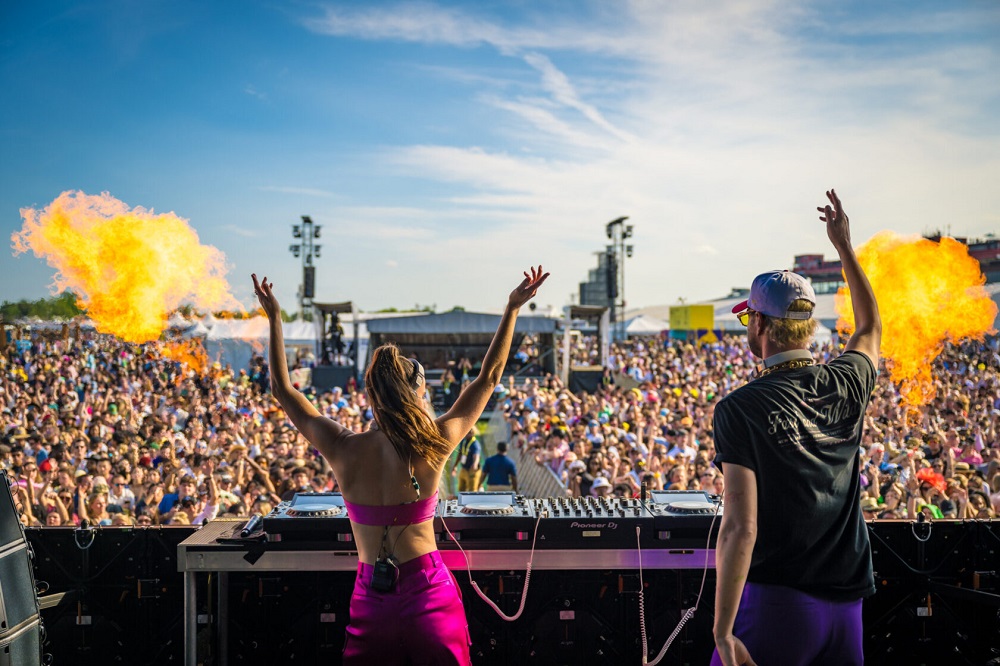
The global music landscape offers countless ways to consume art, from private headphone listening to stadium concerts. While individual shows provide an excellent window into a performer’s catalog, nothing matches the immersive atmosphere of a major music festival. These multi-day gatherings transcend traditional concert boundaries, transforming expansive landscapes into temporary cultural cities built entirely around sound, art, and community.
For dedicated music enthusiasts, attending a world-class festival is a foundational rite of passage. These events act as cultural crossroads, uniting massive, diverse crowds with legendary headliners, emerging indie acts, and cutting-edge visual productions. Experiencing the distinct energy, geographic beauty, and creative programming of the world’s most iconic festivals can alter your relationship with live performance forever. The following major gatherings represent the pinnacle of global festival culture that every music lover should experience at least once.
1. Glastonbury Festival of Contemporary Performing Arts
Located in Somerset, England, Glastonbury is widely considered the undisputed matrix of modern music festivals. Originating in 1970 on a working dairy farm, this legendary gathering has evolved into an enormous pop-up city sprawling across hundreds of acres of English countryside.
Glastonbury is defined by its sheer scale and deep commitment to performing arts. The festival features over a hundred distinct stages, offering an eclectic mix of rock, pop, electronic dance music, folk, theater, comedy, and political debate.
-
The Pyramid Stage: As the central hub of the festival, this iconic structure has hosted historic, generation-defining performances by music royalty.
-
A Culture of Exploration: Glastonbury actively encourages attendees to wander past the main stages. Exploring the hidden forest clearings, underground late-night venues, and artistic activist camps reveals the true counter-cultural heart of the event.
Navigating the muddy fields, donning rain boots, and camping alongside two hundred thousand passionate fans creates a unique sense of endurance and collective joy that cannot be replicated anywhere else on earth.
2. Coachella Valley Music and Arts Festival
Situated in the desert landscape of Indio, California, Coachella serves as the definitive trendsetter for the global contemporary festival circuit. Held over two consecutive weekends in April, this event marks the unofficial launch of the summer festival season, establishing the musical alignments and cultural aesthetics for the year ahead.
Coachella is renowned for its curation, blending multi-genre top-tier headliners with reunited legendary rock bands, avant-garde electronic producers, and international pop superstars.
The physical environment is characterized by pristine green polo fields contrasted against towering desert palm trees and dramatic mountain ranges. Beyond the music, the festival grounds function as an open-air museum, showcasing massive, interactive physical art installations built by global architects. Coachella’s impeccable production values, crystal-clear desert sound systems, and consistently historic surprise guest appearances make it a mandatory destination for fans who appreciate state-of-the-art event design.
3. Tomorrowland
For devotees of electronic dance music, Tomorrowland represents the absolute pinnacle of immersive production. Held annually in the town of Boom, Belgium, this gathering transforms a public park into a sweeping, mythical fairy-tale world driven entirely by electronic rhythms.
Tomorrowland is famous for its elaborate stage designs, particularly its massive main stage, which alters its thematic narrative architecture every year.
The festival unites hundreds of thousands of international attendees, creating a global community where flags from every nation wave in unison. The musical programming covers every micro-genre of the electronic spectrum, including house, techno, trance, drum and bass, and hardstyle. Tomorrowland elevates the standard fan experience by offering an ultra-premium camping city known as DreamVille, which features its own marketplace, bakeries, and pre-parties, ensuring that the immersive magic of the event never pauses.
4. Fuji Rock Festival
Nestled in the lush, green mountains of Niigata Prefecture at the Naeba Ski Resort, Japan’s Fuji Rock Festival offers one of the most clean, respectful, and visually stunning environments in the live entertainment world.
Fuji Rock stands out for its seamless integration of rock music and natural preservation. The stages are spread deep within dense mountain forests, connected by winding mountain paths and the world’s longest ski gondola lift, known as the Dragondola, which transports fans over pristine valleys between performance areas.
-
Diverse Curation: The lineup masterfully balances international alternative rock headliners with acclaimed jazz musicians, electronic innovators, and prominent regional Japanese artists.
-
Environmental Stewardship: The festival is celebrated for its strict eco-friendly initiatives. Attendees actively participate in meticulous waste sorting and trail conservation, creating an atmosphere of deep mutual respect between the music community and the surrounding alpine environment.
5. New Orleans Jazz and Heritage Festival
While many iconic gatherings focus heavily on youth culture and contemporary pop trends, the New Orleans Jazz and Heritage Festival celebrates deep historical roots and regional identity. Held at the Fair Grounds Race Course in Louisiana, this event offers an intense, soul-stirring exploration of American roots music.
Jazz Fest transcends its name by programming an incredibly expansive musical palette. Across multiple days, fans can wander between massive stages and intimate tents showcasing gospel choirs, delta blues players, traditional and contemporary jazz ensembles, zydeco bands, R&B legends, and stadium-level rock acts.
Equally vital to the festival’s identity is its legendary culinary programming. The event forbids generic commercial food trucks, opting instead to host dozens of local chefs serving authentic regional staples like crawfish monica, alligator pie, and fresh beignets, making the weekend a sensory feast of sound, history, and flavor.
6. Primavera Sound
For listeners who actively seek out cutting-edge independent music, Primavera Sound in Barcelona, Spain, is an essential annual pilgrimage. Held at the Parc del Forum directly adjacent to the Mediterranean Sea, this urban festival strips away the traditional muddy camping experience in favor of an industrial, sleek architectural environment.
Primavera Sound is celebrated for its uncompromising lineup curation, routinely praised by critics as the best independent music roster in the world.
The festival completely bypasses mainstream pop formulas to build an inventive mix of indie rock icons, experimental electronic producers, hip-hop pioneers, and hidden underground gems across dozens of oceanfront stages. Operating primarily from late afternoon until the early hours of the morning, Primavera allows fans to explore the historic city of Barcelona by day before immersing themselves in a forward-thinking sonic marathon by night.
Frequently Asked Questions
How can an attendee prepare logistically for the unpredictable weather conditions at Glastonbury?
Preparing for Glastonbury requires focusing on durable footwear and waterproof outerwear. Because the terrain transforms into thick clay mud during heavy rains, high-quality waterproof boots are an absolute necessity. Packing high-grade tents, layering synthetic materials that dry rapidly, and carrying lightweight waterproof rain jackets ensure comfort regardless of sudden climate shifts.
What is the specific payment framework utilized inside Tomorrowland to purchase food and items?
Tomorrowland operates as a completely cashless ecosystem utilizing an RFID wristband system loaded with a proprietary festival currency known as Pearls. Attendees link their credit cards to their personal wristbands online before arriving at the venue, allowing them to tap their wrists to pay for food, beverages, and merchandise quickly without carrying physical wallets.
Why do urban music festivals differ significantly from traditional camping festivals?
Urban festivals take place inside metropolitan spaces or concrete waterfront parks, requiring attendees to book external hotels, rental apartments, or rely on municipal public transit networks to commute to the venue daily. This framework eliminates the physical challenges of camping, offering traditional amenities and plumbing, but lacks the continuous, isolated community immersion of a campsite gathering.
What measures can a fan take to prevent severe hearing damage during a multi-day festival?
Protecting your hearing requires investing in high-fidelity, acoustic-filtered earplugs designed specifically for live music. Unlike cheap foam earplugs that muffle sound indiscriminately, high-fidelity models lower the overall decibel volume evenly across all frequencies, preserving the clarity and balance of the performance while safeguarding your eardrums from long-term tinnitus.
How does the high altitude of the Naeba Ski Resort impact packing choices for Fuji Rock?
The mountain altitude at Fuji Rock creates extreme temperature drops and sudden weather transitions within a single afternoon. While daytime temperatures can be warm and humid, nights in the alpine valley cool down dramatically. Packing heavy fleece layers, durable trail shoes for steep inclines, and reliable flashlights for dark forest paths is essential for navigating the terrain safely.
What is the best timeline strategy for booking accommodations for the New Orleans Jazz Fest?
Securing accommodations for Jazz Fest requires booking hotel rooms or local lodging options six to eight months in advance. Because the event draws hundreds of thousands of international tourists to the historic districts of New Orleans simultaneously, nearby hotels fill up rapidly, causing prices to surge closer to the event dates.
How can a festival-goer avoid severe dehydration and heat exhaustion at desert events like Coachella?
Surviving the desert heat requires consuming consistent amounts of water containing vital electrolytes, rather than relying exclusively on standard tap water. Wearing loose, UV-protective clothing, utilizing wide-brimmed hats, applying high-factor sunscreen regularly, and scheduling mandatory resting periods inside designated shaded structures prevent your core body temperature from rising dangerously.